Author Archives: momo

Unwashed green onions might get you foodborne illness

Many people like to use green onions as a garnish for their bright green colour. However, before using it, you must wash it thoroughly; sometimes, you might find dirt inside the hollow leaves. God knows what germs that dirt carries!

Green onion, also known as scallion, is a vegetable belonging to the Allium family, including garlic, onions, and shallots. It has long, green, hollow leaves and a small white bulb. Green onions have a mild, sweet flavour and are commonly used in various dishes for their taste and texture.

Green onions are a good source of vitamins A and C and minerals such as potassium, iron, and calcium. They are low in calories and fibre, making them a healthy addition to a balanced diet.

Green onions can be used in various dishes, including soups, stir-fries, salads, and omelettes. They are often used as a garnish for their fresh flavour and bright colour. When using green onions, it’s essential to wash them thoroughly and trim off the roots and any wilted or yellowing parts before using them in your dish.

Like any vegetable that grows in soil, green onions can carry bacteria and other germs if not properly washed before use. Some common bacteria found on unwashed green onions include E. coli, Salmonella, and Listeria. These bacteria can cause foodborne illnesses if they are ingested. To reduce the risk of foodborne illness, washing green onions under running water and using a brush to scrub any dirt or debris from the surface is recommended.

Additionally, it is vital to store green onions to prevent bacterial growth properly. They should be stored in a cool, dry place and consumed within a few days of purchase. If you notice any spoilage, such as wilting or discolouration, discard the green onions to avoid the risk of illness.

The severity of illness resulting from infection with E. coli, Salmonella, or Listeria can vary depending on several factors, including the strain of the bacteria, the individual’s age and overall health, and the amount of bacteria ingested.

The symptoms of foodborne illness caused by these bacteria can include nausea and vomiting, diarrhoea (which may be bloody), abdominal pain and cramping, fever and chills, headache, and muscle aches.

In some cases, particularly in young children, elderly individuals, or people with weakened immune systems, foodborne illness caused by these bacteria can be more severe. They can lead to complications such as dehydration, kidney failure, and meningitis.

Suppose you are experiencing symptoms of foodborne illness after consuming green onions or any other food. In that case, it is crucial to seek medical attention, mainly if your symptoms are severe or persist for more than a few days. Your healthcare provider can provide treatment and advice to help you recover from your illness.

To wash green onions properly, follow these steps:

– Trim off the root end of the green onions.

– Remove any wilted or yellowing leaves.

– Rinse the green onions under cool, running water to remove dirt or debris.

– Gently rub the surface of the green onions with your hands to help remove any dirt or debris that may be stuck to the leaves. If desired, you can use a vegetable brush to scrub the surface of the green onions to remove any stubborn dirt or debris.

– Rinse the green onions under cool, running water to remove any remaining dirt or debris.

– Pat the green onions dry with a clean paper towel or cloth.

There is no need to use a special liquid soap to wash green onions or other vegetables. Simply rinsing them thoroughly under excellent running water should be enough to remove any dirt or debris that may be present. Using soap or other cleaning products on vegetables may be unsafe, as these products are not intended for consumption and may leave behind harmful residues.

Green onions can be eaten raw or cooked, depending on the recipe and personal preference. In many dishes, green onions are used as a garnish or added near the end of cooking to add a fresh, onion-like flavour.

However, suppose you are concerned about bacteria or other germs that may be present on the surface of the green onion. In that case, it is recommended to cook them thoroughly. Cooking green onions at a high enough temperature will help to kill any harmful bacteria that may be present.

When cooking green onions, it’s important to avoid overcooking them, as this can result in a loss of flavour and texture. Sautéing, grilling, or roasting green onions can help bring out their natural sweetness and enhance their flavour.

Things you should know about ‘Brain-eating’ amoeba

In the past few months, few cases of ‘Brain-eating’ amoeba-related death were reported. Some patients were suspected to be related to nasal rinse using tap water. It is suggested that people use only distilled or sterile water when making sinus rinse solutions. Otherwise, tap water should be boiled for a few minutes and cooled before using it. Since tap water that has not been sterilized isn’t safe, it may contain certain microorganisms such as bacteria and protozoa, including amoebas. Yet people cannot be infected by drinking tap water as stomach acid typically kills those microorganisms.

Why is ‘Brain-eating’ amoeba so deadly? What are the symptoms? How to lower the risk of infection?

Naegleria fowleri is a single-celled organism known as an amoeba. It can cause a rare but severe brain infection called primary amebic meningoencephalitis (PAM) when it enters the human body through the nose. It is commonly found in warm freshwater and soil, particularly in the southern United States. Still, it can also be found in other parts of the world.

When Naegleria fowleri enters the body through the nose, it travels to the brain. It causes inflammation and destruction of brain tissue, leading to PAM. Symptoms of PAM typically begin within 1-7 days of infection and include severe headache, fever, nausea, vomiting, and seizures. The condition is usually fatal, with death occurring within 3-7 days of symptom onset.

While there have been rare reports of Naegleria fowleri causing eye infections, such as keratitis, these cases are much less common than PAM. They typically occur in people with recent eye trauma or using contaminated contact lenses. Eye infections caused by Naegleria fowleri may present with symptoms such as redness, pain, and blurred vision.

According to the US Centers for Disease Control and Prevention (CDC), there have been only 148 reported cases of PAM in the United States from 1962 to 2020, with an overall case-fatality rate of over 97%. Most of these cases have occurred in southern states such as Florida, Texas, and Arizona, where warm freshwater environments are more common.

Preventative measures against Naegleria fowleri infection include avoiding swimming or diving in warm freshwater, especially during low water levels and high temperatures, and using nose plugs or holding the nose shut when participating in water activities. It is also important to avoid stirring up sediment in freshwater areas, as this can increase the risk of exposure to Naegleria fowleri.

There is currently no specific cure for primary amebic meningoencephalitis (PAM) caused by Naegleria fowleri. However, early diagnosis and treatment can help improve the chances of survival.

The recommended treatment for PAM includes using a combination of drugs that can penetrate the brain and kill the amoeba. These drugs include amphotericin B, miltefosine, and azithromycin. Treatment typically involves the intravenous administration of these drugs. Sometimes, they may be given directly into the cerebrospinal fluid surrounding the brain and spinal cord.

In addition to drug treatment, supportive care such as mechanical ventilation and management of intracranial pressure may be necessary.

It’s important to note that even with treatment, PAM is often fatal, and the prognosis is generally poor. Therefore, prevention is the most effective way to avoid infection.

Detecting the presence of Naegleria fowleri can be challenging, as it is a single-celled organism typically found in low numbers in environmental samples. However, several methods can be used to detect the amoeba in water or soil samples, including:

Direct microscopy: This involves examining a sample of water or soil under a microscope to look for the presence of Naegleria fowleri. This method can identify the amoeba’s characteristic shape and movement.

Culture: Culturing involves growing the organism in a laboratory setting to confirm its presence. This method can be time-consuming, as the amoeba may take several days or weeks to grow in the culture.

Molecular methods: Molecular methods, such as polymerase chain reaction (PCR), can detect the presence of Naegleria fowleri DNA in environmental samples. This method can be more sensitive and specific than microscopy or culture.

The symptoms of Naegleria fowleri infection can be similar to those of bacterial meningitis, making diagnosis challenging. Symptoms typically appear within 1 to 9 days after exposure to the amoeba. They can include severe headache, fever, nausea and vomiting, stiff neck, loss of appetite, changes in taste and smell, sensitivity to light, confusion or altered mental status, seizures, and hallucinations. As the infection progresses, symptoms may worsen, and the patient may experience altered consciousness, coma, and respiratory failure.

It’s important to note that the symptoms of Naegleria fowleri infection can be similar to other conditions. Diagnosis requires specific laboratory tests to confirm the presence of the amoeba. Suppose you have been exposed to contaminated water or soil and are experiencing symptoms. In that case, it is crucial to seek medical attention immediately. Early diagnosis and treatment can improve the chances of survival.

How to lower the risk of Early-onset Alzheimer’s disease

Early-onset Alzheimer’s disease (EOAD) is a relatively rare form of Alzheimer’s disease affecting people under 65. It accounts for approximately 5-10% of all Alzheimer’s cases. The majority of Alzheimer’s patients (around 90-95%) occur in people over the age of 65, and the risk of developing Alzheimer’s increases with age. However, EOAD can be particularly devastating because it can affect people during their prime working years and significantly impact their families and caregivers. It is important to note that the prevalence of EOAD varies depending on the population studied. Still, it is estimated that EOAD affects about 200,000 people in the United States.

The causes of EOAD are not fully understood. Still, research suggests that a combination of genetic and environmental factors may contribute to the development of the disease.

Genetic factors: In some cases, EOAD is caused by a genetic mutation passed down from parent to child. Three genes have been identified as responsible for EOAD: APP, PSEN1, and PSEN2. These genes are involved in the production of amyloid protein, which can build up in the brain and form plaques, a hallmark of Alzheimer’s disease.

Environmental factors: Certain environmental factors may also contribute to the development of EOAD. For example, head injuries, exposure to toxins or pollutants, and poor nutrition may increase the risk of developing EOAD.

Lifestyle factors: Lifestyle factors such as lack of exercise, poor sleep, and high-stress levels may also contribute to the development of EOAD.

It is important to note that genetic factors cause not all cases of EOAD, and not all people with a genetic mutation will develop EOAD. Most EOAD cases occur sporadically, meaning there is no known genetic cause.

Diagnosing early-onset Alzheimer’s disease (EOAD) can be challenging because its symptoms can be similar to those of other conditions, such as depression, anxiety, or normal ageing. However, an accurate and timely diagnosis is crucial because it can help individuals and their families plan for the future and access appropriate medical and supportive services.

Here are the steps typically involved in diagnosing EOAD:

Medical history: The healthcare provider will ask questions about the person’s medical record, including any symptoms they have experienced and any risk factors for Alzheimer’s disease, such as family history or head injury.

Physical examination: The healthcare provider will perform a physical exam to check for any underlying health conditions contributing to the person’s symptoms.

Cognitive tests: The healthcare provider will administer cognitive tests to evaluate the person’s memory, language, reasoning, and other mental functions. These tests may include the Mini-Mental State Examination (MMSE) or similar tests.

Imaging tests: The healthcare provider may order imaging tests such as magnetic resonance imaging (MRI) or positron emission tomography (PET) to check for any physical changes in the brain, such as the buildup of amyloid plaques.

Blood tests: The healthcare provider may order blood tests to rule out other potential causes of cognitive impairment, such as vitamin deficiencies or thyroid problems.

Suppose the above steps suggest that the person has EOAD. In that case, the healthcare provider may refer them to a specialist, such as a neurologist or geriatric psychiatrist, for further evaluation and management.

There is no cure for early-onset Alzheimer’s disease (EOAD). Still, some treatments can help manage the symptoms and improve the quality of life for individuals with the disease and their families. The goal of treatment for EOAD is to slow the progression of the disease, manage symptoms, and maintain the individual’s independence for as long as possible.

Here are some treatments that may be used to manage EOAD:

Medications: Medications such as cholinesterase inhibitors and memantine may be prescribed to help manage the cognitive and behavioural symptoms of EOAD.

Supportive therapies: Therapies such as occupational, speech, and physical therapy may help individuals with EOAD maintain independence and improve their quality of life.

Lifestyle modifications: Lifestyle modifications such as a healthy diet, regular exercise, and social engagement may help to slow the progression of EOAD and improve cognitive function.

Clinical trials: Clinical trials of new medications and other treatments are ongoing. Individuals with EOAD may be eligible to participate in these trials.

While there is no guaranteed way to prevent early-onset Alzheimer’s disease (EOAD), there are steps that individuals can take to reduce their risk of developing the disease:

Maintain a healthy lifestyle: Regular exercise, a healthy diet, and avoiding smoking and excessive alcohol consumption can help to reduce the risk of EOAD.

Stay mentally active: Engaging in mentally stimulating activities such as reading, playing games, and learning new skills can help to keep the brain busy and reduce the risk of cognitive decline.

Control high blood pressure, diabetes, and cholesterol: These conditions can increase the risk of EOAD, so it is important to manage them through lifestyle modifications and medication as needed.

Get enough sleep: Poor sleep quality or quantity has been associated with an increased risk of cognitive decline, so it is important to prioritize quality sleep.

Reduce stress: Chronic stress has been linked to an increased risk of cognitive decline, so it is important to manage stress through relaxation techniques, exercise, or other stress-reducing activities.

Protect your head: Head injuries, especially those involving loss of consciousness, have been associated with an increased risk of EOAD, so it is vital to take precautions to protect your head during physical activities and sports.

Participate in cognitive training: Participating in structured mental training programs has been shown to improve cognitive function and may help to reduce the risk of EOAD.

It is important to note that the course of EOAD varies from person to person, and the effectiveness of treatment can also vary. Early diagnosis and treatment can help slow the disease’s progression and improve outcomes, so it is important to seek medical attention if you or a loved one is experiencing symptoms of EOAD.

Starfruit is not for everyone

Starfruit, also known as carambola, is a tropical fruit native to Southeast Asia. When cut crosswise, it is a small, yellow or green fruit with a distinctive star shape. The fruit is about 3-6 inches long and has a waxy skin that is edible.

Starfruit has a juicy, slightly tangy flavour, often compared to a blend of citrus, apple, and grape. It is rich in vitamin C, fibre, and antioxidants, making it a healthy addition to your diet.

Starfruit can be eaten raw or cooked and is often used in salads, sauces, and drinks. To prepare starfruit, wash the fruit, remove the ends, and slice it crosswise into star-shaped pieces. It can be enjoyed independently or paired with other fruits for a delicious and refreshing snack.

However, it should be noted that starfruit contains oxalic acid, which can harm people with kidney problems. Caramboxin is a natural toxin found in the fruit of the starfruit plant (Averrhoa carambola). It is a type of amino acid known as a non-proteinogenic amino acid, which means it is not commonly found in proteins.

Caramboxin is toxic to people with impaired kidney function. It can accumulate in the body and cause neurological symptoms such as confusion, seizures, and even death. These symptoms are collectively known as starfruit intoxication or carambola intoxication.

The severity of symptoms depends on the individual’s sensitivity to the toxin and the amount of carambola ingested. People with kidney disease, including those on dialysis, are at particular risk of starfruit intoxication and are advised to avoid consuming starfruit or starfruit products.

It’s important to note that not everyone is affected by caramboxin, and the fruit is generally safe for healthy individuals to consume in moderation. However, suppose you have kidney disease or are on dialysis. In that case, it’s best to avoid starfruit and starfruit products to prevent the risk of toxicity.

Besides starfruit, people with kidney disease may need to avoid or limit certain foods to help manage their condition. The specific dietary restrictions may vary depending on the individual’s stage of kidney disease, level of kidney function, and other health factors. However, some general types of foods that people with kidney disease may need to limit or avoid include:

High-protein foods: These foods can increase the workload on the kidneys and may lead to further damage. High-protein foods include meat, poultry, fish, eggs, and dairy products.

High-sodium foods: Sodium can contribute to fluid retention and high blood pressure, harming the kidneys. Foods high in sodium include processed foods, canned soups and vegetables, and salty snacks.

High-potassium foods: Potassium is a mineral generally filtered out of the body by healthy kidneys. However, in people with kidney disease, high potassium levels can build up in the blood and cause heart problems. Foods high in potassium include bananas, oranges, tomatoes, potatoes, and spinach.

High-phosphorus foods: Phosphorus is a mineral usually excreted by healthy kidneys. However, high phosphorus levels can cause bone problems and other health issues in people with kidney disease. Foods high in phosphorus include dairy products, nuts, seeds, and whole grains.

Also, foods high in sugar and unhealthy fats can contribute to obesity, high blood pressure, and other health problems that can harm the kidneys. Examples include sugary drinks, fast food, and processed snacks.

Studies show that people might have kidney disease but might not be aware of it. The prevalence of renal insufficiency, or chronic kidney disease (CKD), varies widely depending on the population studied and the criteria used to define the condition. However, according to data from the National Kidney Foundation, an estimated 37 million adults in the United States have CKD, representing approximately 15% of the adult population.

The incidence and prevalence of CKD tend to increase with age, with higher rates in people over 65. Other risk factors for CKD include diabetes, high blood pressure, a family history of kidney disease, and obesity. CKD is also more common in certain ethnic and racial groups, including African Americans, Hispanic Americans, and Native Americans.

It’s important to note that not everyone with CKD will progress to end-stage kidney disease, which requires dialysis or a kidney transplant to sustain life. However, CKD can increase the risk of other health problems such as cardiovascular disease, anaemia, and bone disease. People with CKD need to work with a healthcare provider to manage their condition and reduce their risk of complications.

Beware of the Asian Tiger Mosquito

Today’s newspaper mentions a type of mosquito which might become rampant within the next decade. Commonly known as the Asian tiger mosquito, it carries a virus that causes dengue fever, killing 40,000 people globally every year.

Aedes albopictus, also known as the Asian tiger mosquito, is a mosquito native to Southeast Asia. It is considered an invasive species and has spread to many parts of the world, including the Americas, Africa, Europe, and Australia. The Asian tiger mosquito is a vector for several diseases, including dengue fever, chikungunya, and the Zika virus. It is easily recognisable by its black and white striped legs and body. The mosquito is active during the day and prefers to bite humans.

What are dengue fever, chikungunya, and Zika virus?

Dengue fever is a mosquito-borne viral disease widespread in tropical and subtropical regions. The dengue virus causes it. Flu-like symptoms, including high fever, headache, muscle and joint pain, and rash, characterise dengue fever. In some cases, the disease can progress to a more severe form called dengue hemorrhagic fever, which can be life-threatening.

There is no specific treatment for dengue fever, and supportive care is the mainstay of therapy. That includes rest, hydration, and pain relief. Vaccines for dengue fever are available in some countries. Still, their effectiveness varies depending on the strain of the virus and the age of the person receiving the vaccine.

Chikungunya is a viral disease transmitted to humans by biting infected Aedes mosquitoes. The virus causing chikungunya is a member of the Alphavirus genus, and it was first identified in Tanzania in 1952. The disease is most common in Africa, Asia, and the Indian subcontinent. Still, outbreaks have also occurred in other parts of the world, including the Americas and Europe.

The symptoms of chikungunya usually begin 3-7 days after being bitten by an infected mosquito. They can include fever, joint pain, headache, muscle pain, swelling, and rash. While most people recover within a week or two, some may experience joint pain for months or years after the initial infection.

There is no specific treatment for chikungunya, and no vaccine is currently available. Treatment usually involves relieving the symptoms with rest, fluids, and medications such as acetaminophen to reduce fever and pain.

The Zika virus is a mosquito-borne virus first discovered in the Zika Forest of Uganda in 1947. Most people infected with the Zika virus do not experience symptoms or may have mild symptoms such as fever, rash, joint pain, and red eyes. However, the virus can cause severe complications in some cases. The most well-known is the link between Zika virus infection in pregnant women and microcephaly. This congenital disability affects brain development.

The Zika virus has caused outbreaks in various parts of the world, including the Americas, Africa, and Asia. There is currently no specific treatment for Zika virus infection, so the focus is on preventing its spread through mosquito control measures and avoiding mosquito bites.

Signs that an Aedes albopictus mosquito may have bitten you:

Itching: The bite of an Aedes albopictus mosquito can be itchy, and you may experience a raised, red bump at the site of the bite.

Pain: Some people may feel a slight stinging or burning sensation at the site of the bite.

Redness: The skin around the bite may be red and inflamed.

Rash: Occasionally, a rash may develop around the bite site.

Swelling: The area around the bite may become swollen, mainly if you are allergic to mosquito bites.

Suppose an Aedes albopictus mosquito has bitten you. In that case, monitoring your symptoms and watching for signs of illness, such as fever, headache, and muscle pain, which may indicate a mosquito-borne disease, is important. If you develop any of these symptoms, you should seek medical attention.

Lastly, control measures for the Asian tiger mosquito involve avoiding mosquito bites using insect repellent, wearing long-sleeved clothing, and using mosquito nets. It’s also essential to eliminate breeding sites for mosquitoes by removing standing water around the home.

Why is tomato juice always salty?

Tomato juice often contains added salt as a flavour enhancer. Salt helps to balance and bring out the natural sweetness of the tomatoes, making the juice more palatable to many people. Additionally, some commercially produced tomato juices may contain high amounts of salt as a preservative, which helps to extend their shelf life.

Not all tomato juice is salty, and the amount of salt can vary depending on the brand and type. Suppose you’re concerned about the salt content of tomato juice. In that case, you can check the nutrition label to see how much sodium it contains. Some brands also offer low-sodium or no-salt-added options that may be better for those watching their salt intake.

Several famous brands of tomato juice are available in the market, including Campbell’s Tomato Juice, V8 Original 100% Vegetable Juice, Del Monte Tomato Juice, Ocean Spray Tomato Juice, Sacramento Tomato Juice, and R.W. Knudsen Family Organic Tomato Juice. These brands are well-known for their quality and taste and can be found in most grocery stores or supermarkets. However, it’s important to note that the salt content and nutritional values may vary between brands, so it’s a good idea to check the nutrition label to choose the one that best suits your dietary needs.

Tomato juice is a versatile drink that can be enjoyed on its own or as part of a meal. Here are some food options that can go well with tomato juice:

Breakfast foods: Tomato juice can be a great addition to a breakfast meal, especially if you like savoury flavours. It can be served alongside eggs, toast, and bacon.

Salads: Tomato juice can be used as a base for salad dressings or to add flavour to salads. It pairs well with leafy greens, such as spinach or romaine lettuce, and can be used in a classic Caesar salad.

Sandwiches: Tomato juice is a great beverage to enjoy with a sandwich. It can complement the flavours of a classic BLT or pair well with a grilled cheese sandwich.

Pasta dishes: Tomato juice can make tomato-based sauces for pasta dishes. It can be used in a classic spaghetti sauce or homemade tomato soup.

Snacks: Tomato juice can be paired with various snacks, such as crackers and cheese, nuts, or vegetable sticks.

Overall, tomato juice’s acidic and savoury flavour can complement various foods.

Tomato juice is a good source of several essential nutrients. Here are the primary nutrients found in one cup (240 ml) of tomato juice:

Calories: 41
Carbohydrates: 9 grams
Protein: 2 grams
Fat: 0.5 grams
Fibre: 2 grams
Vitamin C: 74% of the Daily Value (DV)
Vitamin A: 22% of the DV
Potassium: 10% of the DV
Folate: 6% of the DV
Thiamine (Vitamin B1): 6% of the DV
Niacin (Vitamin B3): 5% of the DV

Tomato juice is also a good source of antioxidants, including lycopene and beta-carotene. Vitamin C. Lycopene is a potent antioxidant linked to a lower risk of some chronic diseases, including heart disease and certain types of cancer.

Tomato juices are rich in folate, thiamine and niacin. Folate, thiamine, and niacin are important vitamins that play different roles in maintaining good health. Here’s a brief overview of what each vitamin does:

Folate (also known as Vitamin B9): Folate is important for DNA synthesis and cell division, making it especially important for pregnant women to consume to support fetal development. It’s also vital for forming red blood cells and can help reduce the risk of specific congenital disabilities. In addition, folate may help to lower the risk of some chronic diseases, including heart disease and certain types of cancer.

Thiamine (also known as Vitamin B1) is essential for converting food into energy and maintaining proper nerve function. It’s also involved in the metabolism of carbohydrates, fats, and proteins. Thiamine deficiency can cause beriberi, leading to nerve damage, muscle weakness, and cardiovascular problems.

Niacin (also known as Vitamin B3) is important for energy production and maintaining healthy skin, nerves, and digestive systems. It’s also crucial for metabolising carbohydrates, fats, and proteins. Niacin deficiency can cause pellagra, leading to skin rashes, digestive issues, and mental confusion.

Overall, consuming foods rich in these vitamins, such as tomato juice, can help support overall health and prevent deficiencies.

Many pieces of evidence suggest that tomato consumption may benefit prostate health, although the evidence is inconclusive.

Tomatoes are a rich source of lycopene, an antioxidant that gives tomatoes their red colour. Lycopene has been studied for its potential to reduce the risk of prostate cancer and improve overall prostate health. Some studies have found that consuming tomatoes or lycopene-rich products, such as tomato juice, may be associated with a reduced risk of prostate cancer or a slower disease progression.

For example, a 2014 meta-analysis of 17 studies found that higher tomato consumption was associated with a reduced risk of prostate cancer. Another study published in 2017 found that consuming tomato juice for three weeks was associated with a reduction in prostate-specific antigen (PSA) levels, a marker of prostate health.

While the evidence is promising, more research is needed to better understand the relationship between tomato consumption and prostate health. It’s worth noting that consuming tomato juice alone is unlikely to provide significant protection against prostate cancer or other prostate conditions. It should be part of a balanced and varied diet that includes a range of fruits and vegetables.

Here are a few more research studies on the health benefits of tomatoes:

Heart Health: A 2013 meta-analysis of 21 studies found that tomato consumption was associated with a reduced risk of cardiovascular disease, including heart attacks and strokes. The researchers suggest that the beneficial effects of tomatoes on heart health may be due to their high content of lycopene, potassium, and vitamins C and E.

Cancer Prevention: In addition to prostate cancer, tomatoes and lycopene have also been studied for their potential to reduce the risk of other types of cancer, including lung, breast, and pancreatic cancer. A 2014 review of 72 studies found that higher tomato consumption was associated with a reduced risk of overall cancer, as well as a reduced risk of several specific types of cancer.

Blood Pressure: A 2016 meta-analysis of 21 studies found that consuming tomato products was associated with a reduction in both systolic and diastolic blood pressure, which are both important markers of cardiovascular health.

Skin Health: Tomatoes are also rich in several essential nutrients for skin health, including vitamins C, A, and beta-carotene. A 2011 review of 40 studies found that these nutrients can help to protect the skin from damage caused by UV radiation, reduce inflammation, and improve skin texture.

It’s worth noting that while these studies suggest a potential link between tomato consumption and various health benefits, more research is needed to understand the mechanisms behind these effects better and to determine optimal amounts of tomato consumption for these benefits. However, including tomatoes in a balanced and varied diet can be nutritious and delicious to support overall health.

Tomatoes are generally considered healthy and safe for most people to consume. However, there are a few groups of people who may need to limit their intake or avoid tomatoes altogether:

Individuals with an allergy or sensitivity to tomatoes: While tomato allergies are relatively rare, some people may experience hives, swelling, or digestive upset after consuming tomatoes. People with a known allergy or sensitivity to tomatoes should avoid consuming them.

Individuals with acid reflux or GERD: Tomatoes are acidic, which can exacerbate symptoms of acid reflux or gastroesophageal reflux disease (GERD) in some individuals. People with these conditions may want to limit their intake of tomatoes or avoid them altogether.

Individuals taking certain medications: Some medications, such as blood thinners or antidepressants, may interact with the nutrients in tomatoes. People taking these medications may need to limit their intake of tomatoes or check with their healthcare provider to ensure that it is safe to consume them.

For most people, tomatoes are a nutritious and healthy food that can be included as part of a balanced and varied diet. Suppose you have any concerns about consuming tomatoes or any other food. In that case, it’s always a good idea to check with your healthcare provider.

It’s generally safe to drink tomato juice daily as long as it’s part of a balanced and varied diet. However, the appropriate amount of tomato juice will depend on various factors, including your health status, dietary needs, and any medications you may be taking.

The USDA recommends that adults consume 1.5 to 2 cups of vegetables daily, including various types and colours. While tomato juice can be a convenient and nutritious way to meet this recommendation, it’s also important to consume a range of other vegetables to ensure you get a diverse array of nutrients.

It’s also worth noting that some tomato juices can be high in sodium, which can be a concern for individuals with high blood pressure or other cardiovascular issues. If you’re concerned about sodium intake, you may look for low-sodium tomato juice options or consider making your own juice home using fresh tomatoes.

Symptoms of Aflatoxin Poisoning

Aflatoxin is a naturally occurring toxin produced by certain species of fungi, particularly Aspergillus flavus and Aspergillus parasiticus. These fungi can grow on various crops, including corn, peanuts, cottonseed, and tree nuts, mainly when grown or stored under warm, humid conditions.

The discovery of aflatoxin dates back to the 1960s when a mysterious outbreak of liver disease among turkeys in England was traced to contaminated peanut meal. Further investigations identified the toxin produced by Aspergillus fungi as the culprit. Subsequent studies showed that aflatoxin could contaminate many crops and pose a severe health risk to humans and animals.

Since then, efforts have been made to monitor and control aflatoxin contamination in food and feed. However, it remains a persistent problem in many parts of the world, particularly in developing countries where storage and handling practices may be suboptimal. Aflatoxin is now recognized as one of the most critical food safety issues worldwide, and efforts are ongoing to develop new strategies for prevention and control.

Aflatoxin can bring harm to humans and animals when ingested in high amounts. It is a potent carcinogen linked to liver damage, liver cancer, and other health problems. It can also suppress the immune system and cause growth and developmental problems in children. In animals, aflatoxin can cause illness, reduced growth rates, reproductive problems, and death. The severity of the harm depends on the level of exposure and the duration of exposure to the toxin.

Various methods can detect aflatoxin in contaminated food, including laboratory analysis, rapid test kits, and other screening tools. However, detecting aflatoxin can be challenging, as it may be present in low levels, distributed unevenly in a batch of contaminated food, and may vary in composition and potency depending on the specific strain of Aspergillus fungus that produced it.

Several analytical methods are available for detecting aflatoxin in food, such as high-performance liquid chromatography (HPLC), thin-layer chromatography (TLC), and enzyme-linked immunosorbent assays (ELISA). These methods can detect deficient levels of aflatoxin. Still, they require specialized equipment and trained personnel and may take several hours or days to generate results.

Rapid test kits that use immunological or chemical reactions to detect aflatoxin have also been developed, which can provide results within a few minutes to a few hours. These kits are relatively simple and do not require specialized equipment or extensive training. However, they may not be as sensitive as laboratory methods, and false positive or negative results may occur.

Also, consumers cannot easily detect aflatoxin, as it is typically present at shallow levels and may not affect the appearance, taste, or smell of contaminated food. In addition, some food items commonly affected by aflatoxin, such as peanuts or peanut butter, may be processed or mixed with other ingredients that can dilute or mask the presence of the toxin.

Consumers can reduce their risk of exposure to aflatoxin by purchasing food products from reputable sources, storing food properly in cool, dry conditions, and avoiding foods that appear mouldy, discoloured, or otherwise suspicious. However, it is difficult for consumers to determine whether a food product is contaminated with aflatoxin without specialized testing or analysis.

Food regulatory agencies and other organizations monitor and test food products to ensure their safety and quality. In some countries, regulatory agencies have set maximum allowable levels of aflatoxin in certain food products. They may require food producers and importers to comply with these limits through testing and certification programs.

Overall, detecting aflatoxin in contaminated food is a complex process that requires careful selection of the appropriate method and proper sampling and handling of the food samples.

Since aflatoxin can not be detected easily, that will be useful to know a bit about the symptoms of aflatoxin poisoning. The symptoms of aflatoxin poisoning may vary depending on the level and duration of exposure, as well as the affected person’s age, health status, and other individual factors. In general, acute exposure to high levels of aflatoxin can cause the following symptoms: abdominal pain, vomiting, diarrhoea, jaundice, loss of appetite, fatigue, and weight loss.

Long-term exposure to lower levels of aflatoxin may increase the risk of liver cancer and other health problems, such as poor growth and development in children and immune suppression. Aflatoxin exposure can also adversely affect animals, causing reduced growth rates, decreased milk production, and other health problems.

Suppose you suspect that you or someone else may have been exposed to aflatoxin. In that case, it is vital to seek medical attention as soon as possible. A healthcare provider can perform tests and provide treatment as needed to manage the symptoms and prevent further harm.

The difference between dry skin, eczema, and psoriasis

Dry skin is a common condition characterized by a lack of moisture, leading to itching, cracking, and flaking. Eczema, also known as atopic dermatitis, is a chronic inflammatory skin condition that causes red, itchy, and scaly patches on the skin. Psoriasis is a chronic autoimmune condition that causes the rapid buildup of skin cells, resulting in red, scaly patches on the skin that can be itchy and painful. While all three conditions can cause dry, itchy skin, they have different causes and treatment options.

Eczema and psoriasis are both chronic skin conditions, but they differ in several ways.

Eczema is characterized by itchy, red, and dry skin that can become scaly, cracked, or even weepy. It is most commonly found in children but can also occur in adults. Atopic dermatitis is the most common type of eczema.

Psoriasis is characterized by red, scaly, and thickened patches of skin. These patches, known as plaques, are often itchy and can be painful. They are most commonly found on the elbows, knees, scalp, lower back, and face.

Eczema is an allergic condition often triggered by environmental factors such as irritants, allergens, and stress. While psoriasis is an autoimmune condition, the body’s immune system attacks healthy skin cells.

Eczema is more common on flexural surfaces of the body, such as the inside of the elbow. In contrast, psoriasis is more commonly seen on the extensor surfaces of the body, such as the elbows and knees.

Eczema is often treated with topical corticosteroids, moisturizers, and oral antihistamines. In contrast, psoriasis is treated with topical and oral medications such as corticosteroids, retinoids, and biological drugs.

It is important to note that these conditions can share some similarities, and it is essential to consult a dermatologist for a proper diagnosis and treatment plan.

Whether you have dry skin, eczema, or psoriasis, some self-care measures can be used to improve your skin condition:

Moisturize the skin regularly: Use a thick, fragrance-free moisturizer to keep the skin hydrated.

Avoid hot showers and baths: Hot water can strip the skin of its natural oils. Use lukewarm water instead.

Limit shower time: Showering for an extended period can remove oils from the skin.

Use gentle, fragrance-free soap: Harsh soaps can dry out the skin.

Apply moisturizer immediately after bathing: This helps seal in moisture.

Use a humidifier: Dry indoor air can dehydrate the skin.

Avoid scratching dry, itchy skin: Scratching can damage the skin and worsen the problem.

Wear gloves in cold weather: Cold weather can dry the skin and cause chapping.

Use a gentle exfoliant: Gently exfoliating the skin can remove dead skin cells and improve moisturizer penetration.

Avoid known irritants: Identify and avoid any known triggers, such as certain fabrics, detergents, or soaps, that worsen your eczema.

Consult a dermatologist: If self-care measures don’t improve dry skin, it is better to consult a dermatologist. They can recommend more effective treatments and rule out any underlying medical conditions.

It is important to note that individual tolerance and skin type may vary. Therefore, it is essential to test and find the best products and methods that work for you.

Everything you need to know about gout

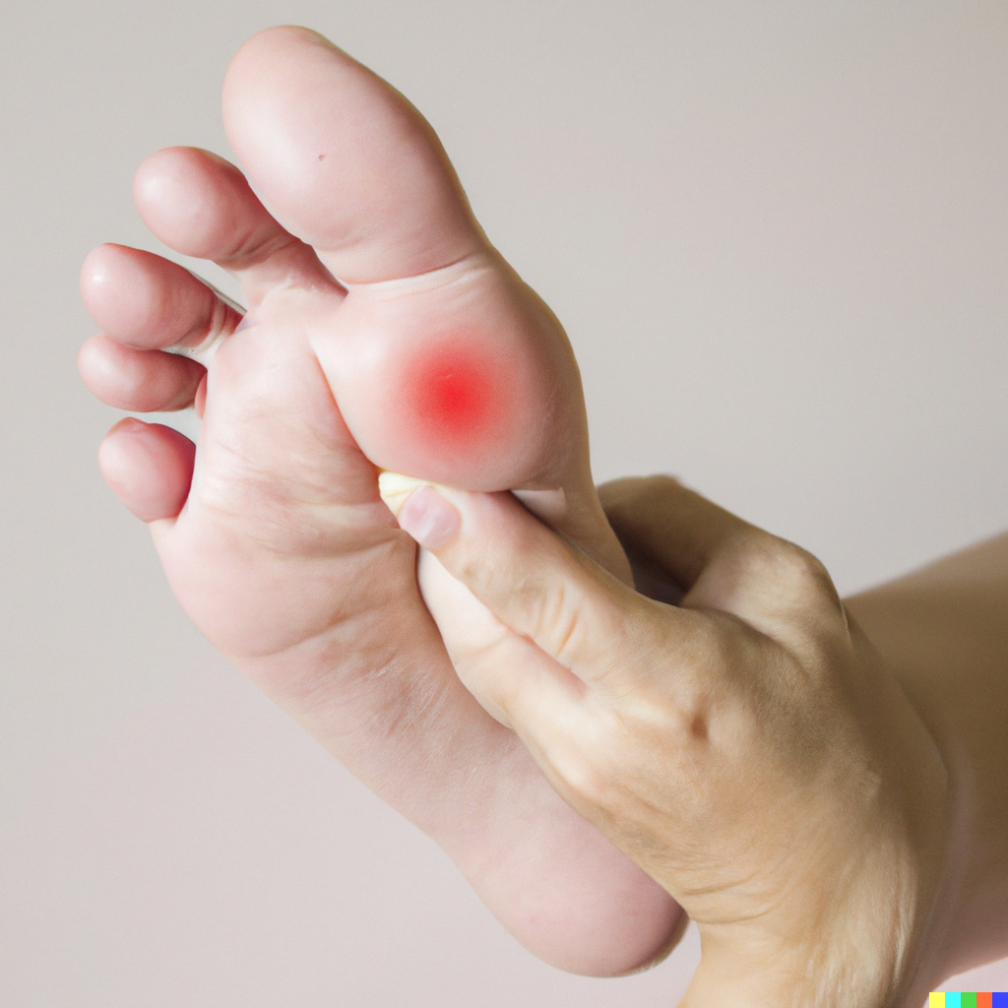
Gout is a kind of arthritis that occurs when uric acid builds up in the body and forms crystals in the joints. It can cause severe pain, swelling, and redness in the affected joint. The big toe is the most common joint affected by gout, but it can also occur in the ankles, knees, wrists, and fingers.

Gout symptoms include sudden and severe pain in a joint, swelling and redness in the affected area, stiffness and tenderness, and a fever. These symptoms typically come on suddenly and can last for days or weeks.

Gout is caused by a buildup of uric acid in the blood, which can occur due to various factors, including genetics, diet, and certain medical conditions. Some foods high in purines, such as red meat, seafood, and alcohol, can increase the risk of gout.

Gout treatment typically involves medications to reduce inflammation and pain and lifestyle changes to lower uric acid levels. It may include changes to diet, weight loss, and exercise. In severe cases, surgery may be necessary to remove the crystals from the joint.

See a healthcare provider if you suspect you have gout, as they can help diagnose and treat the condition. With proper treatment and management, gout can be controlled and the risk of complications reduced.

Foods high in purines should be avoided if you have gout or are at risk for developing gout. Purines are naturally occurring substances found in many foods. When they are broken down in the body, they form uric acid. High levels of uric acid can cause gout.

Foods that are high in purines and should be avoided or limited include:

Red meat, such as beef, pork, and lamb.

Organ meats, such as liver, kidney, and brain.

Seafood, such as anchovies, herring, mackerel, and sardines.
Alcohol, especially beer and spirits.

High-fructose corn syrup and sugar-sweetened drinks.

Additionally, limiting your overall intake of calories and watching your weight may help decrease the risk of gout.

It’s important to note that some foods high in purines may also be nutritious and should not be avoided entirely. The key is to have them in moderation. Also, some people may have gout attacks even if they don’t consume high-purine food. It’s good to consult a healthcare provider or dietitian for personalized advice.

If you have gout or are at risk for developing gout, it’s essential to choose foods that are low in purines. These foods can help lower uric acid levels in the body and reduce the risk of gout attacks.

Some safe food options to include in your diet include:

Fruits and vegetables: These are generally low in purines and high in vitamins, minerals, and antioxidants.

Whole grains: Whole grains such as whole wheat bread, oatmeal, and brown rice are good sources of complex carbohydrates and fibre.

Low-fat dairy products: Milk, yoghurt, and cheese are good sources of calcium and other nutrients.

Beans and legumes: These are good sources of protein and fibre.

Lean protein: Chicken, turkey, fish, and tofu are good options for lean protein.

Low-purine nuts and seeds: Almonds, peanuts, and sunflower seeds.

It’s also important to stay hydrated by drinking plenty of water and other low-calorie fluids, such as herbal teas and water infused with fruits.

It’s also important to note that foods considered safe will vary based on an individual’s health status, so it’s best to consult a healthcare provider or dietitian for personalized advice.

Several natural remedies may help to reduce gout pain and inflammation. However, it’s important to note that these remedies may not work for everyone and should not be used in place of medical treatment. It’s always best to consult a healthcare provider before trying a new therapy.

Some natural remedies that may help to reduce gout pain include:

Applying ice: Applying an ice pack to the affected joint can help to reduce swelling and numb the area, providing relief from pain.

Drinking cherry juice: Cherries and cherry juice contains antioxidants and anti-inflammatory compounds that may help to reduce gout pain and inflammation.

Drinking water: Staying hydrated can help to flush out uric acid from the body, which may help to reduce gout pain.

Drinking apple cider vinegar: Drinking a mixture of apple cider vinegar and water may help to lower uric acid levels in the body and reduce gout pain.

Herbs: Some herbs, such as ginger, turmeric, and willow bark, have anti-inflammatory properties that may help to reduce gout pain.

Exercise: Regular exercise can help to reduce inflammation and improve overall health, which may help to reduce gout pain.

It’s important to note that some of these remedies may have side effects and interactions with other medications or may not be suitable for specific individuals. Hence, it’s best to consult a healthcare provider before trying any new treatment, especially if you are taking other medications.

Can anti-inflammatory drugs help? Anti-inflammatory medications, also known as non-steroidal anti-inflammatory drugs (NSAIDs), can help to reduce the inflammation and pain associated with gout. They work by blocking the production of certain chemicals in the body that causes inflammation.

Some examples of NSAIDs that may be used to treat gout include Ibuprofen, Naproxen, Indomethacin, and Diclofenac. These medications can be taken orally or applied topically to the affected joint to relieve pain and inflammation. They are available over the counter and by prescription.

It’s important to note that these drugs have side effects, and long-term use can negatively impact the stomach and the kidneys. Also, not everyone can take these medications, such as people with peptic ulcer disease, kidney or liver disease, or people who are taking other medications. Therefore, it’s important to consult a healthcare provider before taking anti-inflammatory drugs. They can help you determine the best treatment plan.

Additionally, other medications can be used to treat gouts, such as colchicine and uric acid-lowering drugs, so it is best to consult with a healthcare provider to determine the best treatment plan for you.

How come some people gain weight after wearing a fitness tracker?

There are several reasons why some folks might be gaining weight despite using a fitness tracker. Some possible explanations include the following:

Underestimating calorie intake: A fitness tracker can only track the number of steps and calories you burn through exercise. It cannot track the calories you consume, so you may be underestimating how many calories you’re eating.

Not being active enough: While a fitness tracker can track your steps and calories burned, it can’t force you to be active. If you’re not getting enough physical activity, you may still consume more calories than you’re burning.

Not tracking all physical activity: A fitness tracker can only track activity when wearing it. If you’re doing activities like swimming, where you can’t wear the device, the steps and calories burned will not be tracked.

Overeating on “healthy” food: Some people may believe that eating healthy food will not make them gain weight, but it’s important to remember that all calories count, regardless of whether they come from healthy or unhealthy foods.

Medical condition: Some medical conditions can cause weight gain. No matter how hard a person tries to maintain a healthy lifestyle. If you’re concerned that you’re gaining weight despite your efforts, it’s always a good idea to consult your doctor.

It’s important to remember that weight loss and gain is not only about the number of calories consumed and burned but also depends on the individual’s metabolism, hormones and other factors.

Sometimes, exercise can build muscle, which is heavier than fat. When you exercise, you can build muscle, and muscle is denser and heavier than fat. It means that even if you lose fat, you may not see a significant weight change if you are simultaneously building muscle. Additionally, muscle requires more energy to maintain than fat, so even if your weight stays the same, you may burn more calories. Focusing on overall health and fitness rather than just weight loss is essential. Measuring body composition, such as through skinfold thickness measurement, bioelectrical impedance analysis (BIA) and DEXA scan, are a better indicator of progress.

How hard is it to lose one pound? Losing one pound of weight requires creating a calorie deficit of 3,500 calories. It can be achieved by reducing calorie intake and increasing physical activity. The effort needed to lose one pound will vary depending on weight, diet, and exercise routine.

For some people, losing one pound may require minor diet changes and increasing physical activity. In contrast, for others, it may require more significant changes.

It’s important to remember that weight loss should not be rushed and done healthily and sustainably. Crash diets or overly restrictive eating plans can be harmful to your health and may lead to weight regain.

It is recommended to lose 0.5-1 pound a week by creating a daily calorie deficit of 500-1000 calories by combining a healthy diet and regular exercise. Consult with a healthcare professional or registered dietitian to develop a safe and effective plan for you.

Would walking 10,000 steps a day help losing weight? Walking 10,000 steps a day can help with weight loss, but it’s not guaranteed. The number of steps you need to take to lose weight depends on factors such as your current weight, diet, and exercise routine.

Walking 10,000 steps a day can burn between 300 to 400 calories depending on your speed and weight, which can help create a calorie deficit and contribute to weight loss. However, the number of steps you take alone may not be enough to lose weight if you consume more calories than you are burning.

It is crucial to also focus on healthy eating habits and develop a balanced and nutritious diet. Combining regular physical activity with a healthy diet will increase the chances of losing and maintaining a healthy weight.

It is also important to note that weight loss is not the only benefit of regular physical activity such as walking. Walking can also improve cardiovascular health, reduce the risk of chronic diseases, improve mental health, and boost energy levels.

Successful Ageing

Successful ageing refers to the ability of an individual to maintain physical and cognitive function, remain socially engaged, and have a sense of purpose or fulfilment as they age. Successful ageing is not just the absence of disease or disability but also the presence of positive aspects of ageing, such as resilience, vitality, and engagement in life. It is often considered a combination of physical and mental well-being and the ability to lead an active, independent life. Factors that are believed to contribute to successful ageing include genetics, lifestyle choices (such as diet and exercise), and access to healthcare and social support.

To achieve successful ageing, several steps can be taken:

1. Maintain a healthy lifestyle: Eating a balanced diet, regular exercise, and avoiding smoking and excessive alcohol consumption can help to improve physical and cognitive function.

2. Stay engaged and active: Participating in mentally and socially stimulating activities can help to keep the brain sharp and maintain a sense of purpose and fulfilment.

3. Manage chronic conditions: Chronic health conditions, such as diabetes and hypertension, can significantly impact ageing. It’s essential to manage these conditions through regular check-ups, medication, and lifestyle changes.

4. Stay connected with others: Strong social connections and support can improve mental and physical well-being.

5. Take care of your mental health: Regularly practising mindfulness, relaxation and stress management techniques can help to promote mental well-being and healthy ageing.

6. Stay informed and seek professional help if needed.

It’s worth noting that successful ageing is a multi-faceted and complex concept, and not everyone will experience it in the same way. Also, some factors that contribute to successful ageing are beyond our control, such as genetics, but we can do something about others.

Currently, there is no clear consensus on which countries have the highest rates of successful ageing, as it can depend on how the concept is defined and measured. However, several countries are often cited as having high rates of successful ageing due to their high life expectancy and low rates of disability and disease.

Japan: Japan has one of the highest life expectancies in the world and a relatively low rate of disability among older adults. The Japanese culture also strongly emphasises maintaining physical and mental health throughout life.

Italy: Italy also has a high life expectancy and a low rate of disability among older adults. The Mediterranean diet, which is rich in fruits, vegetables, and fish, is thought to contribute to the excellent health of older adults in Italy.

Iceland: Iceland has a high life expectancy and a low rate of disability among older adults. The country also has a strong sense of community and a culture that values social engagement.

Switzerland: Switzerland has a high life expectancy and a low rate of disability among older adults. The country also has a robust healthcare system and a culture that values physical activity and outdoor recreation.

Singapore: Singapore has a high life expectancy and a low rate of disability among older adults. The country also has a robust healthcare system and a culture that values physical activity, healthy eating, and social engagement.

It’s worth noting that these are just examples, and many countries around the world have older adults who age successfully. And it’s also important to point out that the concept of successful ageing can vary by culture, region, and context.

Furthermore, various statistics can provide a more detailed picture of successful ageing across different countries. Some examples include:

Life expectancy: This is the average number of years that a person can expect to live. Countries with higher life expectancies tend to have higher rates of successful ageing.

Healthy life expectancy: This is the average number of years that a person can expect to live in good health. Countries with higher healthy life expectancies tend to have higher rates of successful ageing.

Disability-free life expectancy: This is the average number of years that a person can expect to live without disability. Countries with higher disability-free life expectancies tend to have higher rates of successful ageing.

Age-specific mortality rates: These are death rates among people of a specific age group. Countries with lower age-specific mortality rates tend to have higher rates of successful ageing.

Prevalence of chronic diseases: This is the proportion of people with a specific chronic illness. Countries with a lower prevalence of chronic diseases tend to have higher rates of successful ageing.

Functional status: This is the ability to perform daily activities. Countries with higher active quality tend to have higher rates of successful ageing.

Social engagement: This is the degree to which people are involved in social activities. Countries with higher social engagement tend to have higher rates of successful ageing.

Happiness: This is the degree of satisfaction with life. Countries with higher happiness tend to have higher rates of successful ageing.

It’s worth noting that these statistics can provide a general idea of successful ageing across different countries. Still, they do not consider all the factors that influence the ageing process, like culture and social and economic context.

There are several practical steps that individuals can take to improve their chances of successful ageing:

1. Exercise regularly: Physical activity can improve cardiovascular health, muscle and bone strength, and cognitive function. Aim for at least 30 minutes of moderate-intensity exercise on most days of the week.

2. Eat a healthy diet: A diet that is rich in fruits, vegetables, whole grains, lean proteins, and healthy fats can help to promote good health and prevent chronic diseases.

3. Don’t smoke and limit alcohol consumption: Smoking and excessive alcohol consumption can increase the risk of chronic diseases and accelerate ageing.

4. Maintain a healthy weight: Being overweight or obese can increase the risk of chronic diseases and disability.

5. Stay mentally active: Keeping the mind busy by reading, writing, solving puzzles, and engaging in social activities can help to maintain cognitive function and reduce the risk of dementia.

6. Get enough sleep: Adequate sleep is essential for physical and mental well-being. Aim for 7-8 hours of sleep per night.

7. Manage stress: Chronic stress can affect physical and mental health. Finding healthy ways to manage stress, such as through meditation, yoga, or exercise, can help to promote well-being.

8. Stay socially active: Social engagement can help promote a sense of purpose and fulfilment and provide support and companionship.

9. Keep learning: Lifelong learning can help keep the mind active and provide a sense of accomplishment and purpose.

It’s worth noting that these are just examples and that there are many other ways to improve ageing, it’s also important to point out that individual health and well-being are complex and multidimensional, so it’s essential to consult with medical professionals to evaluate the best approach for each person, taking into account their personal characteristics, lifestyle, and health history.

Also, research suggests that there may be some differences in the way men and women age. Still, it’s important to note that successful ageing is a multidimensional concept that can influence a wide range of factors, including genetics, lifestyle, and socioeconomic status.

In general, women tend to have longer life expectancies than men. It is partly due to the fact that women have a lower risk of dying from heart disease, which is the leading cause of death among older adults. Additionally, women tend to have better functional status and less disability than men as they age.

On the other hand, studies have shown that men tend to have better cognitive function than women as they age. However, this may be because men are less likely to develop age-related diseases such as Alzheimer’s and dementia, which can affect cognitive function.

Additionally, research has shown that men tend to have more favourable cardiovascular risk profiles and better physical function than women.

It’s worth noting that these are just general trends, that there are many individual differences, and that a person’s biology, environment, and lifestyle play a critical role in successful ageing.

It’s also important to mention that while there are some differences in how men and women age, both genders can benefit from similar strategies, such as regular physical activity, healthy eating, and maintaining social connections, to promote successful ageing.

What you should know about Monkeypox

Monkeypox is a zoonotic disease caused by the monkeypox virus. The virus was first discovered in research monkeys in 1958, meaning “monkeypox”. Human infection with monkeypox first emerged in 1970 in the Democratic Republic of Congo (formerly Zaire). Since then, monkeypox outbreaks have mainly occurred in Central and West Africa.

Symptoms are similar to smallpox but milder. In the days following monkeypox infection, patients experience fever, severe headache, muscle pain, and swollen lymph nodes. Severely swollen lymph nodes can be a distinguishing feature of monkeypox before a rash develops. About 1 to 3 days after the fever, sores develop in the mouth and rashes on other body parts. The rash usually progresses from a maculopapular inflammation to blisters, pustules, and crusts within ten days to two weeks. Rashes on all aspects of the body generally develop simultaneously.

Symptoms of monkeypox last 14 to 21 days, and patients usually resolve independently. In past monkeypox outbreaks, the mortality rate for patients has ranged from 1% to 10%.

People can become infected when they contact infected animals, infected people, or contaminated objects. Humans can become infected if they are bitten or scratched by wild animals. Such as some primates, rodents and squirrels, or if they come into direct contact with bodily fluids. Droplet transmission caused by long-term face-to-face contact, or direct contact with body fluids, may also spread the virus from person to person. The incubation period ranges from 5 to 21 days, usually 6 to 13 days.

There has been evidence that the smallpox vaccine is also effective in preventing monkeypox. A new vaccine called “Jynneos” was approved by the U.S. Food and Drug Administration (FDA) in 2019 to avoid monkeypox infection. Europe also recently approved a new antiviral drug to treat monkeypox.

To reduce the risk of infection, citizens travelling to places affected by the monkeypox virus should avoid contact with sick people or animals. When caring for sick people or handling animals, wear protective clothing and gear, including gloves and surgical masks. Wash your hands after these procedures. Cook all animal products thoroughly before eating; If you have any suspicious symptoms, you should seek medical attention in time.

About the current spread of monkeypox, WHO Director-General Tedros Adhanom Ghebreyesus said that in addition to African countries, 29 countries had reported more than 1,000 confirmed cases of monkeypox. Health authorities in Greece said the first monkeypox was detected there. At the same time, the first suspected case of infection was also seen in Brazil.

The patient found in Greece entered the country from Portugal earlier, and the initial test was positive. He is currently hospitalized and is in stable condition. The sample will be further tested.

The first suspected monkeypox infection was also found in Sao Paulo, Brazil. The patient was a 41-year-old man who had recently travelled to Spain and Portugal. He began to develop symptoms on the 28th of last month and received treatment in the hospital. The authorities are awaiting test results.

WHO Director-General Tedros Adhanom Ghebreyesus said that the risk of the monkeypox virus does exist, but it is still controllable. There have been more than 1,400 suspected cases in African countries this year, and 66 people have died. Unfortunately, due to monkeypox virus in high-income countries appeared, and the international community began to pay attention.

According to Dr Rosamund Lewis, the WHO’s monkeypox technical lead, close contact between people is the primary way of transmission. Still, it is not fully clear whether it is transmitted through aerosols. It is recommended that caregivers wear masks.